
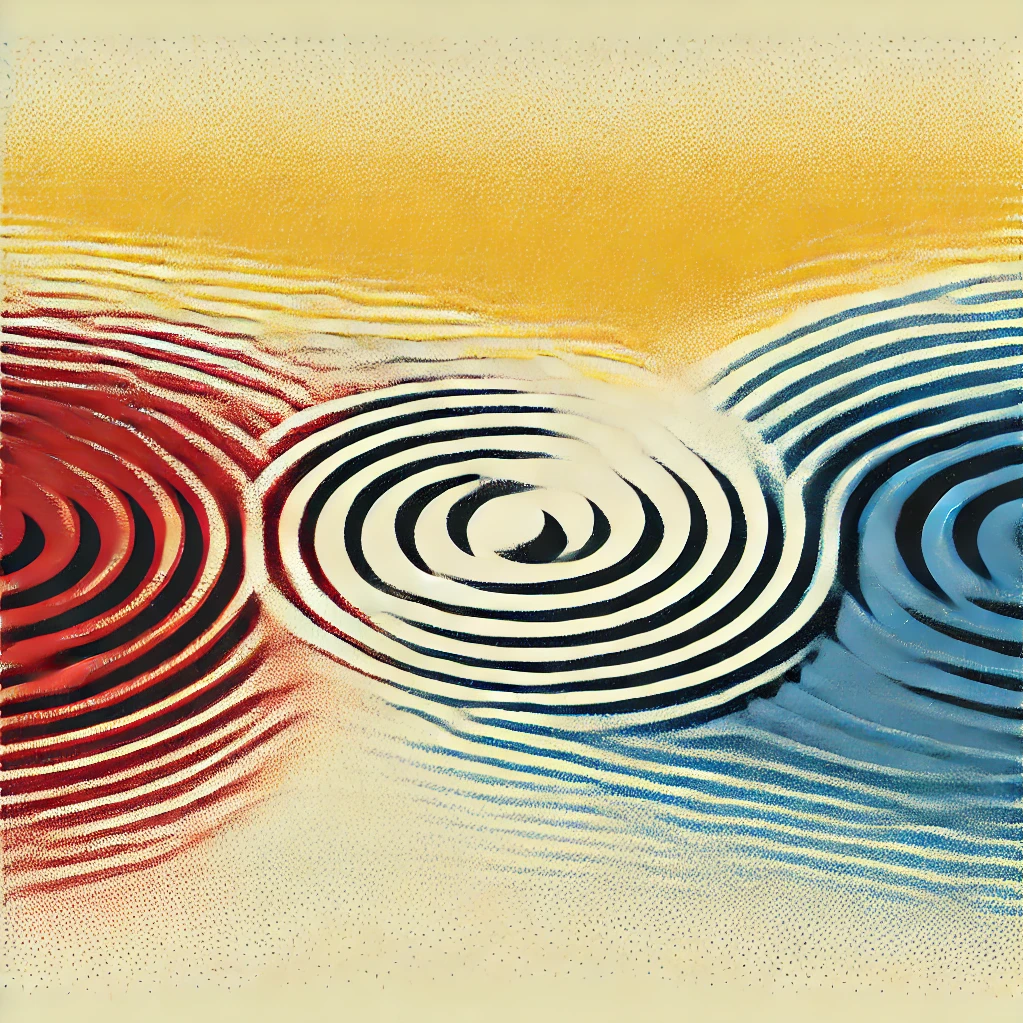
Empathy is the art of truly listening — not to respond, but to understand. In a world where voices often compete to be heard, empathy creates a quiet sanctuary where every story matters.
It is not about fixing or convincing, but about holding space for what is real and raw. Within these circles, presence becomes a gift and connection becomes a mirror of our shared humanity.
Explore gatherings where words meet silence, where judgment fades and where the heart learns the language of compassion — a language that needs no translation.
#EmpathicCommunication #InnerCircles #TrueConnection
Many of us have experienced moments of deep connection to something greater—whether through meditation, dreams or moments of clarity that seem to transcend everyday life. These connections to the spiritual realms can be profound, offering insights, guidance and a sense of belonging to something larger than ourselves. But what do these experiences mean for our spiritual journey and how do they shape the way we see and navigate the world?

Empathy, the ability to understand and share the emotions of others, is often seen as a selfless quality. However, when filtered through the lens of the ego, empathy can become distorted, serving self-centered motives. Instead of fostering genuine connection and compassion, the ego manipulates empathy to reinforce its sense of superiority, control or personal validation. This article explores how the ego influences our experience of empathy and how meditation and mindfulness can help us move beyond this self-centeredness, allowing empathy to flow from a place of equality and genuine connection.

Empathy is the ability to understand and share the emotions of others. While this is often seen as a natural and intuitive process, it is actually shaped and filtered by the mind. The mind, with its judgments, biases and protective mechanisms, can distort and block our empathic responses. The question is: how does empathy operate in the mind? What mental barriers, like over-analysis and judgment, block our ability to connect deeply with others? And how can meditation and mindfulness help clear these barriers, allowing for a purer, more authentic expression of empathy?