
Sparks for the Soul
Discover reflections, stories and insights that nurture empathy and spiritual growth. From meditation to awakening, from compassion to everyday wisdom – each piece is an invitation to pause, reflect and reconnect with what truly matters.

Jiddu Krishnamurti remains one of the most unique and thought-provoking spiritual teachers of the 20th century. His teachings, which emphasize inner freedom and the rejection of external authority, have left an enduring impact on spiritual seekers worldwide. Born in British India in 1895, Krishnamurti was connected early in his life to the Theosophical Society, an organization that sought to unify spiritual traditions and promote universal brotherhood. Yet, as his philosophy evolved, he distanced himself from organized movements, urging individuals to embark on their own path to truth.

Enlightenment has been a central pursuit in many spiritual traditions, often described as the ultimate state of awakening where one realizes their true nature. However, the nature of Enlightenment is complex. It is not always a permanent state, and many spiritual seekers experience glimpses of it rather than sustained, complete liberation. In this article, we explore the concept of Enlightenment, emphasizing the importance of going beyond the mind and entering The Void. We will also examine when Enlightenment might be a temporary experience and when it could become a permanent state of being.

In various spiritual traditions, “The Void” is often considered the highest state of being, a state where the individual self dissolves and only pure consciousness remains. This concept, while interpreted differently across cultures and philosophies, consistently points to an ultimate state of transcendence beyond form, thought and duality. The Void represents a realm of complete stillness, emptiness and infinite potential—a place where the individual merges with the source of all existence.
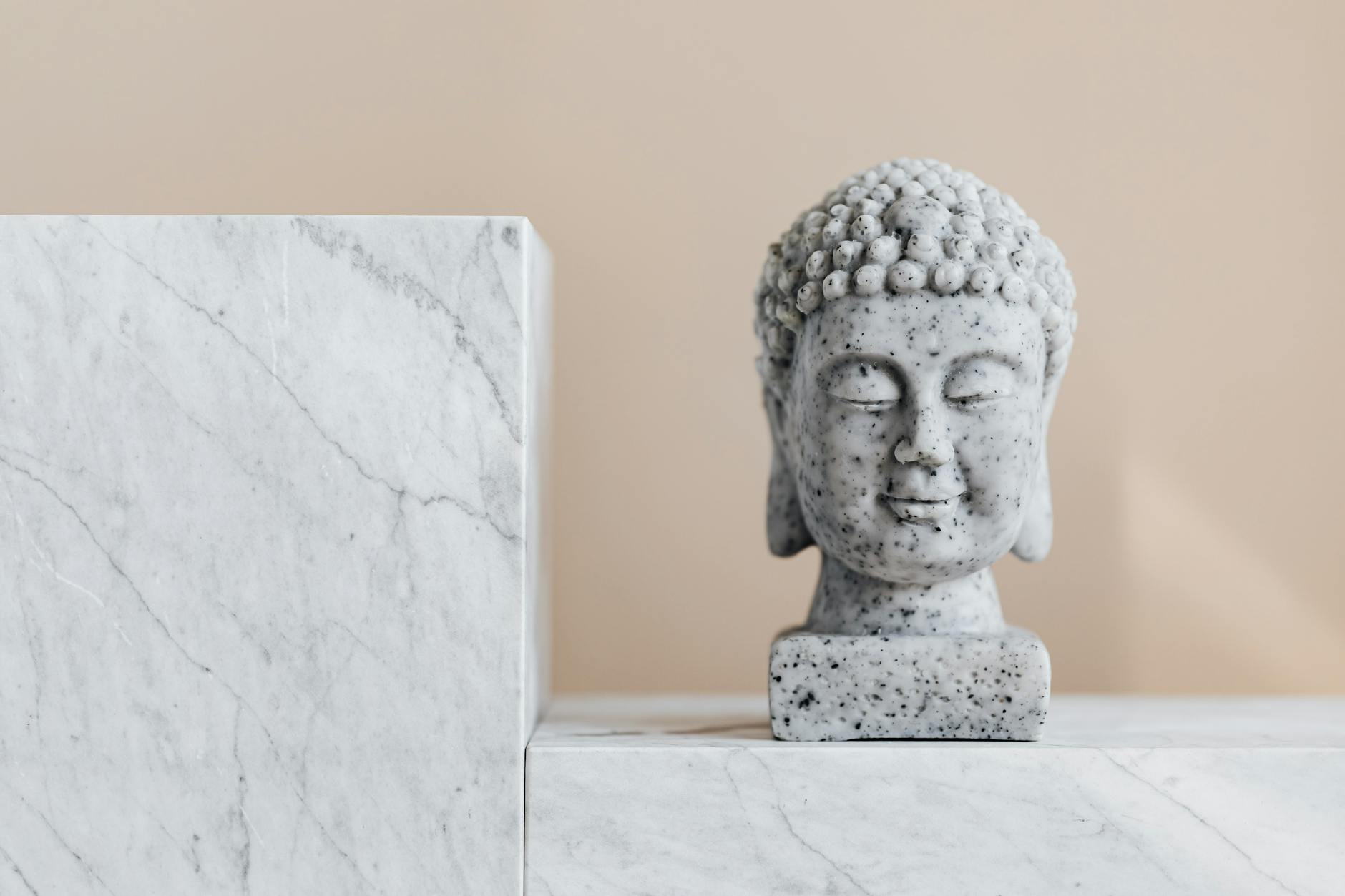
The journey of meditation often leads to profound experiences of transcending the mind—reaching a state that is beyond the limitations of thought, emotion and personal identity. Meditation on the inner Light and Sound is one such method that has been described by many mystics and spiritual leaders, including Guru Nanak, as a path to go beyond the mind and connect with higher spiritual dimensions.

Starting meditation can feel like a significant hurdle for many. Despite its known benefits for mental clarity, emotional balance and overall well-being, people often face inner resistance. Common fears, misconceptions and challenges that may arise when starting a meditation practice will be explored, along with guidance on how to overcome them.

In deep meditation, especially when practicing on the inner Light and Sound, many practitioners report profound experiences of seeing geometric shapes, colors and forms of light while simultaneously hearing inner sounds. These experiences are not random; there is often a direct relationship between the sounds that are perceived and the manifestation of inner light and geometry.